

Project Management Training
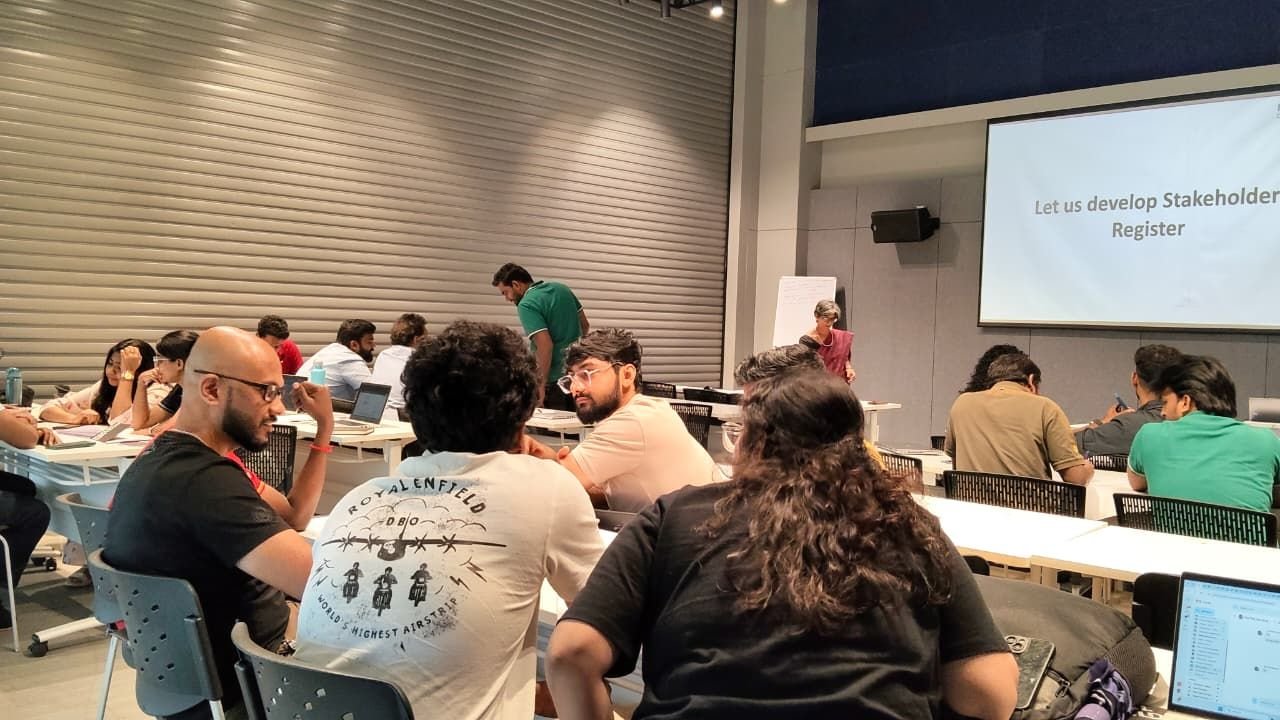
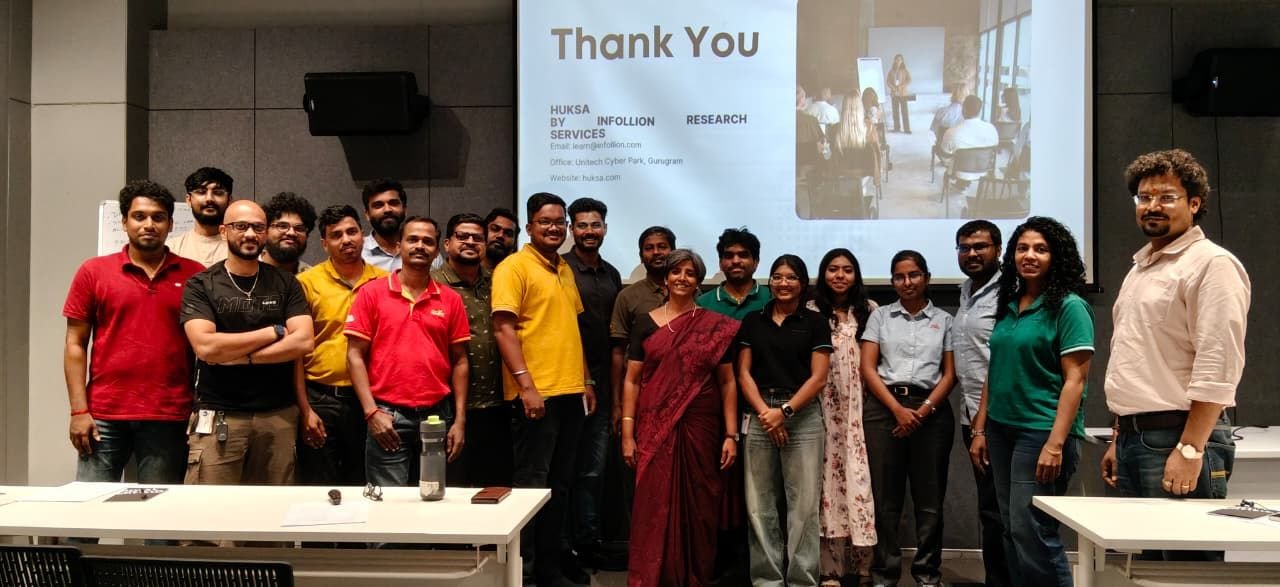
Project execution in automotive manufacturing requires careful planning, coordination across functions, and the ability to manage changing priorities, risks, and delivery timelines. HUKSA delivered a customised, two-day virtual Project Management workshop for 30 participants at Royal Enfield, covering the end-to-end project lifecycle through practical planning exercises, manufacturing-related case discussions, and simulations focused on execution challenges.
About the Client
Royal Enfield, part of the Eicher Group, is one of the world's oldest motorcycle brands in continuous production and a leading player in the global mid-size motorcycle segment. With manufacturing operations in Tamil Nadu and an expanding international presence, the company combines motorcycle engineering, product development, and large-scale manufacturing, supported by multiple business functions working towards shared operational and delivery objectives.
The Challenge
Managing projects in an automotive manufacturing environment involves more than meeting deadlines. Teams must coordinate activities across functions, manage dependencies, communicate with stakeholders, anticipate risks, and respond to execution challenges without losing sight of project objectives.
The learning requirement was to build a shared understanding of project management principles across a mixed participant group while strengthening practical planning, monitoring, and execution capabilities. The focus extended from defining project activities and responsibilities to managing stakeholder expectations, identifying potential bottlenecks, and maintaining accountability throughout the project lifecycle.
Our Approach
HUKSA delivered a customised eight-hour virtual workshop across two days, structured around the complete project lifecycle, from initial planning to execution, monitoring, and delivery.
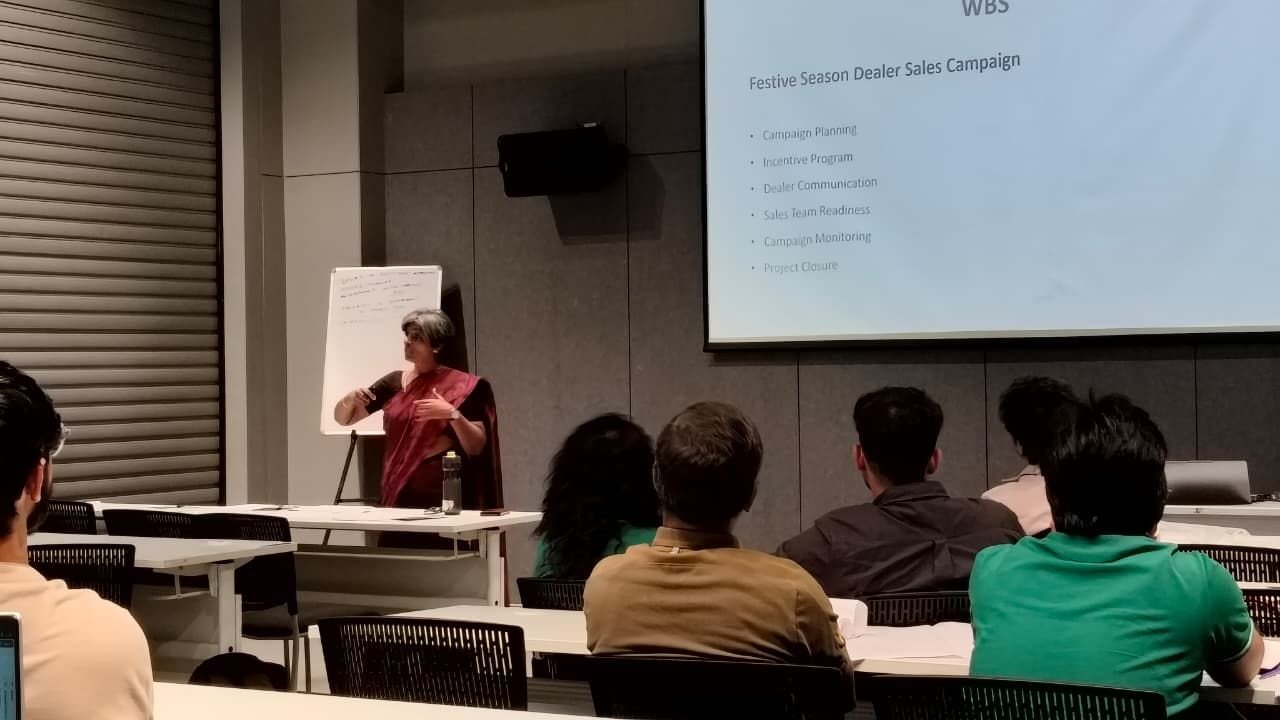
The sessions combined project management frameworks with manufacturing-related business scenarios. Participants worked on project planning, task breakdown, and timeline development, followed by simulation-based exercises involving project risks, interdependencies, and resource constraints.
Stakeholder mapping and communication planning activities addressed the coordination required across project teams, while progress-tracking exercises introduced structured metrics and reporting mechanisms. Case discussions and group exercises explored approaches to resolving bottlenecks, managing delays, and improving accountability.
The workshop was facilitated by a project management and operations professional with experience in project delivery, procurement, stakeholder management, and cross-functional coordination. Her Six Sigma Black Belt certification and background in structured problem-solving supported the program's emphasis on practical execution and decision-making.
The intervention concluded with participants developing actionable project plans based on workplace-related scenarios, connecting the concepts discussed to their day-to-day responsibilities.
Frequently asked questions
What was the objective of the Project Management workshop at Royal Enfield?
The program aimed to strengthen participants' understanding and practical application of project management principles, including project planning, execution, stakeholder coordination, progress monitoring, risk management, and accountability.
Who participated in the program?
The workshop was conducted for a mixed audience of 30 participants at Royal Enfield. It was designed to establish common project management practices applicable to different functional responsibilities.
What topics were covered during the training?
The program covered the project lifecycle, task breakdown, timeline creation, stakeholder mapping, communication planning, risk management, resource constraints, project tracking, structured reporting, and problem-solving during execution.
How was the Project Management training delivered?
HUKSA delivered the program virtually over two days, with four hours of training each day. The sessions combined conceptual frameworks with hands-on planning exercises, manufacturing-related case discussions, group activities, and project simulations.
What practical exercises were included in the workshop?
Participants worked on project plans, task structures, timelines, stakeholder communication plans, risk and dependency scenarios, progress-tracking activities, and approaches to resolving project bottlenecks. The activities were designed to connect project management principles with workplace execution challenges.