
Project Management – End-to-End Project Execution & Governance
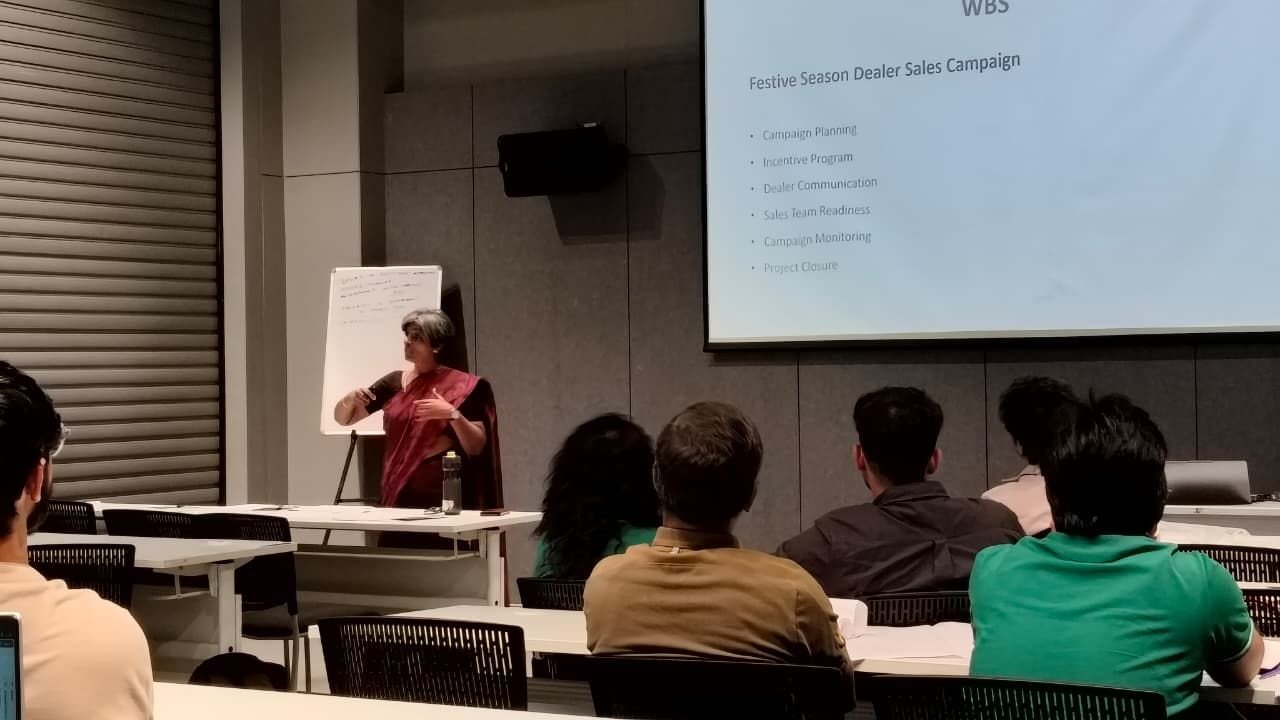
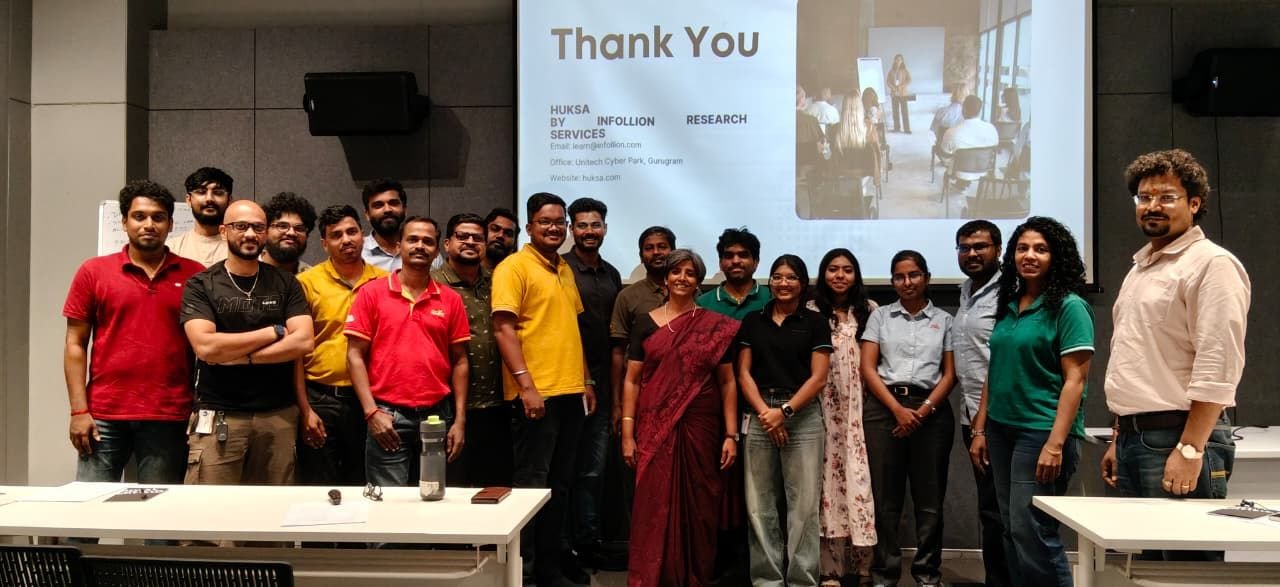
Managing complex projects in automotive manufacturing requires more than technical expertise. It demands structured planning, effective resource allocation, stakeholder alignment, and disciplined execution across engineering and business functions. HUKSA delivered a customised, five-day onsite Project Management workshop for 20–25 professionals at Royal Enfield. Built around a common project case study, the program guided participants through the complete project lifecycle, with hands-on exercises covering project initiation, planning, execution, monitoring, control, and closure.
About The Client
Royal Enfield is one of the world's oldest motorcycle brands in continuous production and a leading player in the global mid-size motorcycle segment. Known for its engineering heritage and product innovation, the company operates within an automotive manufacturing ecosystem that brings together engineering, product development, manufacturing, operations, and multiple business functions.
Its project environments require coordination across technical and functional teams, where clear project objectives, structured planning, resource management, and governance are important to effective execution.
The Challenge
Projects involving engineering, manufacturing, and product development frequently require coordination across different functions, resources, activities, and stakeholder groups. Managing these interdependencies calls for a consistent approach to project planning, execution, monitoring, and decision-making.
Royal Enfield's capability-building requirement focused on developing a comprehensive understanding of project management practices across engineering and cross-functional teams.
The objective extended beyond introducing individual tools or concepts. Participants needed to understand how different project management processes connect, from defining a business case and project charter to developing schedules, allocating resources, managing risks, controlling changes, and formally closing projects.
A central focus was translating project management principles into usable documentation, planning tools, and governance practices that participants could apply to their professional responsibilities.
Our Approach
HUKSA structured the five-day instructor-led workshop around the complete project lifecycle, using a common project case study to connect concepts across successive stages.
Instead of treating project management topics as independent modules, participants progressively developed project documents and planning outputs as the case study advanced.
Project Initiation and Governance
The workshop began with project management fundamentals and governance principles. Participants explored business case development, project charter creation, stakeholder identification, and stakeholder analysis, establishing how project objectives, responsibilities, and expectations are defined at the outset.
Integrated Project Planning
The planning stage focused on translating project objectives into a structured execution plan.
Exercises covered scope definition, Work Breakdown Structure (WBS), schedule development, Critical Path Method, Gantt charts, resource planning, RACI matrices, and cost estimation. Participants also worked with risk management, quality planning, and communication planning concepts.
These activities demonstrated how scope, schedule, cost, resources, and stakeholder requirements connect within an overall project plan.
Execution, Monitoring and Control
The workshop then moved to project execution, team leadership, stakeholder engagement, and performance monitoring.
Practical simulations and discussions explored project dashboards, progress reviews, change control, and decision-making during execution. Participants examined how project information and governance mechanisms can support timely responses to deviations and changing requirements.
Project Closure and Consolidation
The final stage addressed project closure, documentation, lessons learned, and continuous improvement.
Throughout the five days, participants worked on the common project case study, consolidating their learning into a complete Project Management Plan with supporting documents, templates, and governance mechanisms.
The approach combined instructor-led learning, hands-on planning exercises, group discussions, simulations, and review sessions, with an emphasis on applying project management practices across the full project lifecycle.
Frequently asked questions
What was the objective of the five-day Project Management workshop at Royal Enfield?
The program aimed to strengthen end-to-end project management capabilities among engineering and cross-functional professionals. It covered project initiation, planning, execution, monitoring and controlling, and closure through globally accepted project management practices and practical application exercises.
What project management tools and techniques were covered?
The program covered business cases, project charters, stakeholder analysis, Work Breakdown Structures, Critical Path Method, Gantt charts, RACI matrices, cost estimation, resource planning, risk management, quality planning, communication planning, project dashboards, change control, and project closure documentation.
How was the five-day workshop structured?
The program followed the project management process groups: Initiating, Planning, Executing, Monitoring & Controlling, and Closing. Participants worked through a common project case study, progressively developing project management documents and applying relevant tools at each stage.
What practical deliverables did participants develop during the workshop?
Participants developed a complete Project Management Plan supported by project documents, templates, and governance mechanisms. These included planning and management outputs developed through exercises associated with the different project lifecycle stages.
How was the training relevant to automotive manufacturing and engineering teams?
The workshop addressed project management requirements relevant to engineering, manufacturing, operations, and product development, including cross-functional coordination, scheduling, resource allocation, risk management, stakeholder engagement, project monitoring, and governance.