

AI in R&D
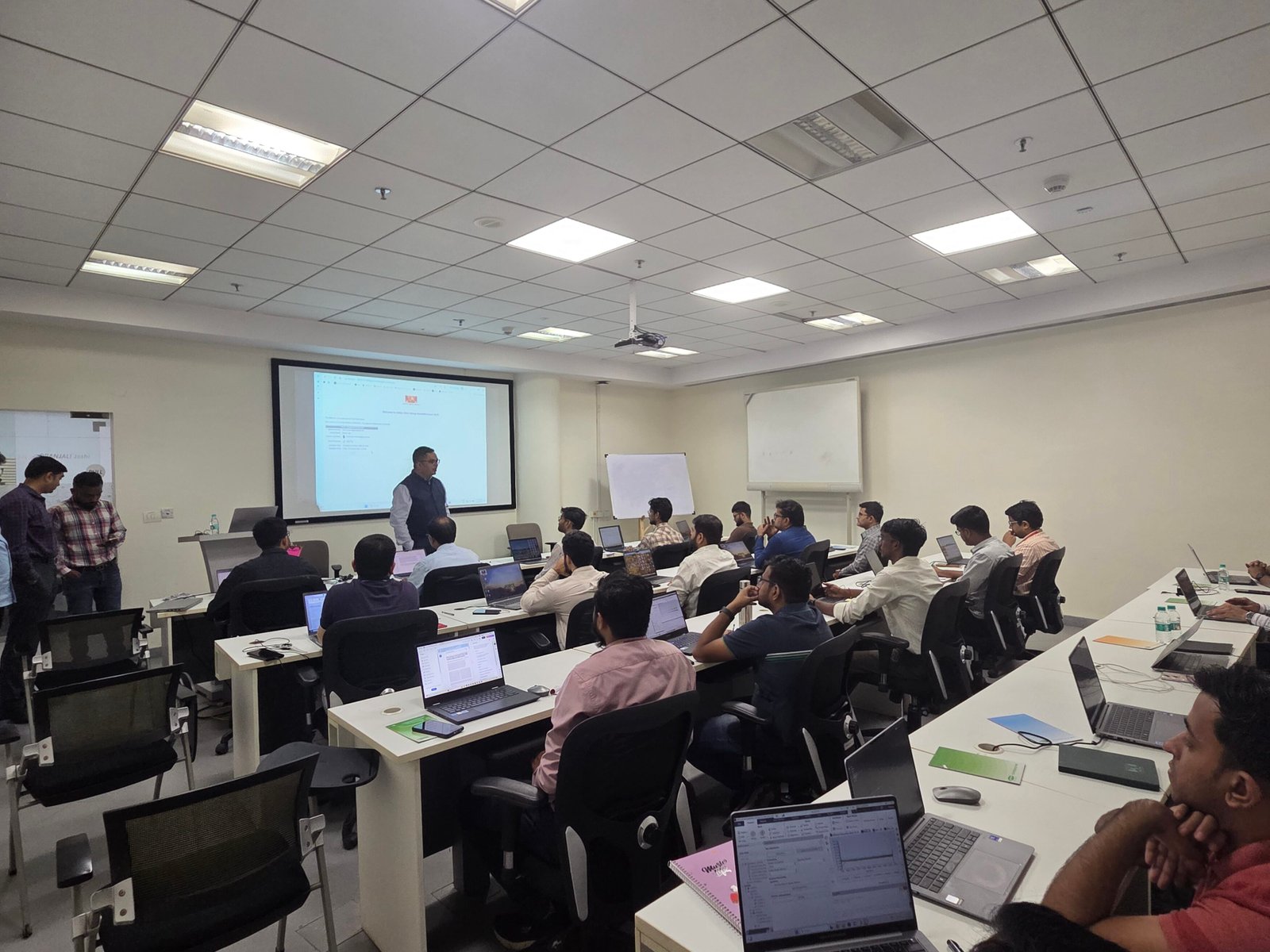
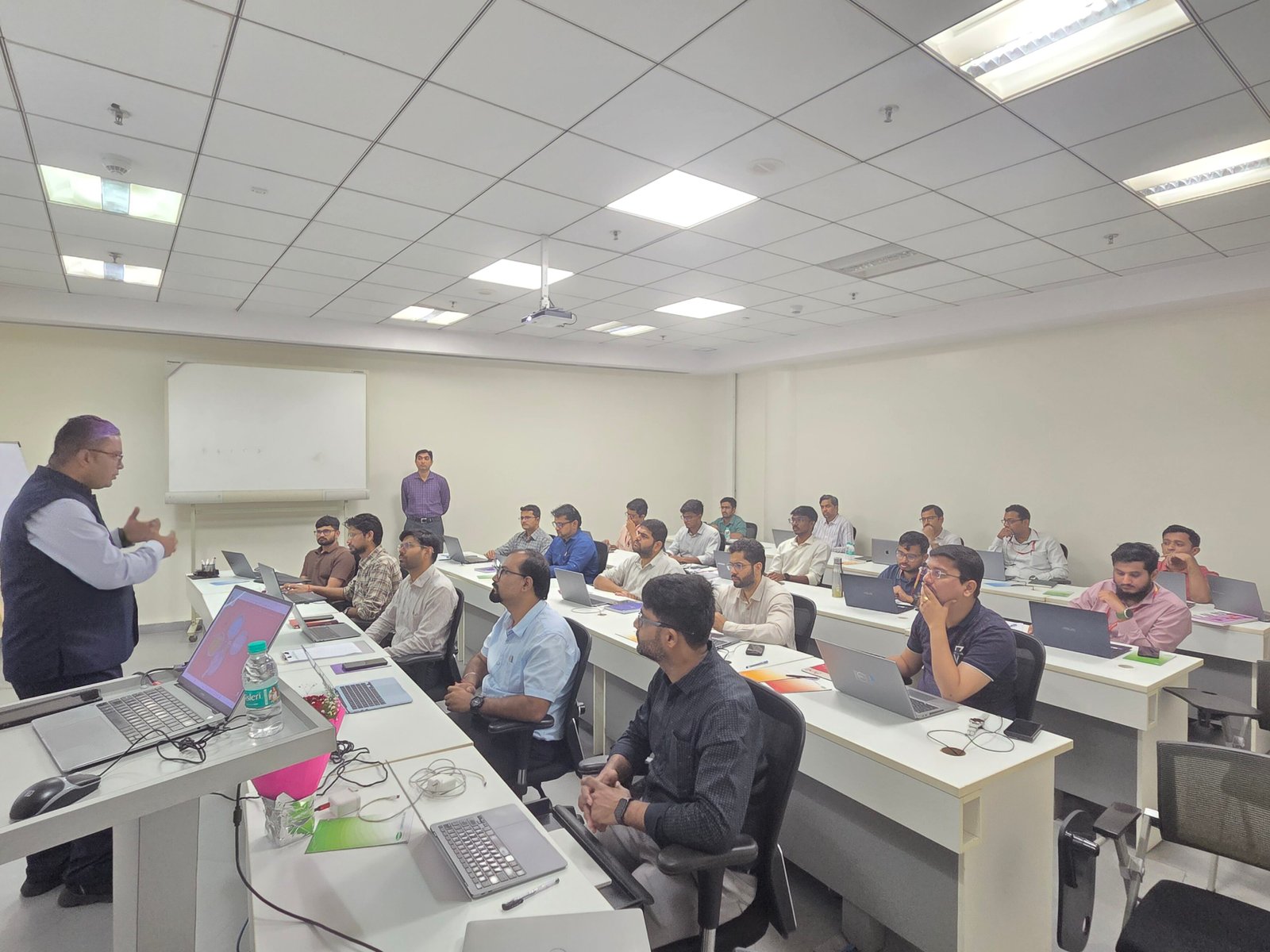
How can AI support scientific research without compromising the rigour of experimentation? HUKSA delivered a customised, two-day onsite AI in R&D workshop for Aditya Birla Group’s lead scientists and research associates. The program explored practical applications of AI in chemistry, material science, process optimisation, and experimental analysis, helping researchers identify opportunities to integrate AI into their scientific workflows.
About The Client
Aditya Birla Group is a diversified Indian multinational with operations spanning metals, cement, chemicals, textiles, and advanced materials. Research, technology development, and process innovation play an important role across its industrial businesses, where scientific experimentation, material performance, and operational efficiency contribute to product and process development.
Our Challenge
Scientific research involves extensive literature reviews, experimental analysis, hypothesis testing, and repeated process evaluations. While AI offers opportunities to assist with these activities, identifying appropriate applications requires an understanding of both the technology and the scientific context.
The learning requirement was to help R&D professionals explore how AI could support research productivity, process chemistry, material analysis, and experimental decision-making.
A particular focus was understanding where AI could complement existing research methods while maintaining scientific validation and data integrity.
Our Approach
HUKSA delivered a two-day, instructor-led workshop connecting AI concepts with practical research applications in chemistry and material science.
The sessions explored AI-assisted literature analysis, scientific data interpretation, hypothesis generation, and process optimisation. Participants examined how AI could support research iterations, identify potential optimisation opportunities, and assist in evaluating experimental information.
Hands-on activities and research-related scenarios encouraged participants to consider applications within their own scientific disciplines.
The workshop also addressed the importance of integrating AI into existing R&D workflows without replacing scientific judgement or established validation practices.
As a concluding activity, participants identified potential AI applications relevant to their research responsibilities, connecting the learning with opportunities for further exploration.
Client Feedback
Participants identified potential applications including AI agents, literature analysis, exploratory data analysis, process monitoring, and experimental data validation.
Feedback also highlighted a preference for additional hands-on practice, more detailed demonstrations, and research-specific case studies.
- +98 NPS Score
- 100% Verified Feedback
Frequently asked questions
What was the objective of the AI in R&D workshop?
The program aimed to help Aditya Birla Group's scientists understand and explore practical AI applications in scientific research, experimentation, process optimisation, and data-driven decision-making.
Which research domains were covered?
The workshop focused on chemistry, material science, process optimisation, experimental analysis, and AI-assisted research workflows.
How was the training relevant to scientists and research associates?
The program connected AI concepts with research activities such as literature analysis, hypothesis testing, experimental data interpretation, and identification of process improvement opportunities.
What practical AI use cases did participants identify?
Feedback responses included AI agents for research workflows, literature analysis, exploratory data analysis, process monitoring, model validation, and AI-assisted optimisation.
How was the program delivered?
HUKSA conducted a two-day onsite, instructor-led workshop combining conceptual discussions, practical AI applications, research-related scenarios, and exercises focused on identifying potential R&D use cases.