
 English
 Spain
Spain
Filter
Showing 1–15 of 75 results
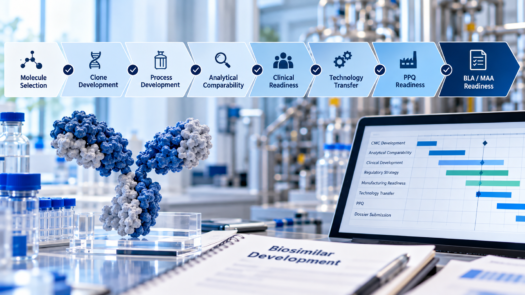

Biosimilar Development, Stage-Gate Governance, CMC, Analytical Comparability, Clinical Readiness, Regulatory Readiness, MSAT, Technology Transfer, PPQ, Risk Management
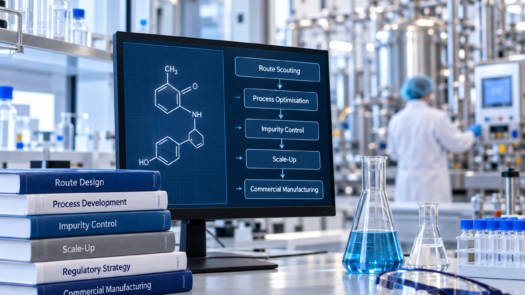
API Process Chemistry & Route Selection

API Process Chemistry, Route Scouting, Retrosynthesis, Route Selection, Green Chemistry, Solvent Selection, Reaction Safety, Scale-Up, Patent Awareness, Manufacturing Readiness


Cell Line Development, Clone Selection, Bioprocess Optimisation, Upstream Processing, Downstream Purification, CPPs, CQAs, Process Characterisation, Scale-Up, Technology Transfer

Next-Generation Biologics
Viral Vectors, mRNA Therapeutics, Advanced Biologics, CMC, Process Development, Manufacturing Strategy, Regulatory Strategy, Platform Selection

Evaluate biologics and advanced-therapy technology platforms, assess market opportunities and competitive positioning, understand manufacturing and commercialisation challenges, and build technology and business strategy frameworks.

Translate pharma R&D data into actionable insights, apply descriptive, diagnostic and predictive analytics, define R&D KPIs, design stakeholder-focused dashboards, identify performance drivers and communicate evidence-based recommendations.
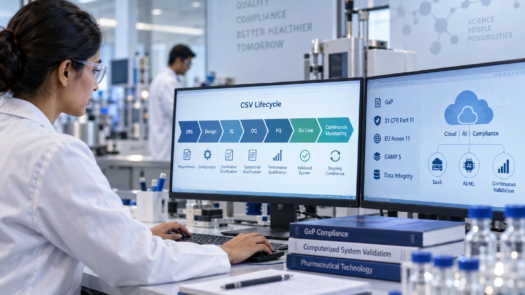

Design and execute risk-based CSV programmes, develop lifecycle documentation, perform IQ/OQ/PQ, validate cloud and AI-enabled systems, and maintain inspection-ready GxP compliance.


Develop a business-owner mindset for pharma brand management.
Build strategic KPIs beyond promotional activity and vanity metrics.
Understand brand economics, P&L drivers and resource optimisation.
Apply structured Root Cause Analysis (RCA) to diagnose brand performance challenges.
Create integrated brand plans connecting market insights, financial outcomes and execution priorities.
Make commercially informed decisions using data, analytics and business logic.

Assess technology-transfer readiness, evaluate process and manufacturing gaps, identify CQA/CPP and comparability risks, build MSAT governance mechanisms, and strengthen transfer documentation and validation readiness.
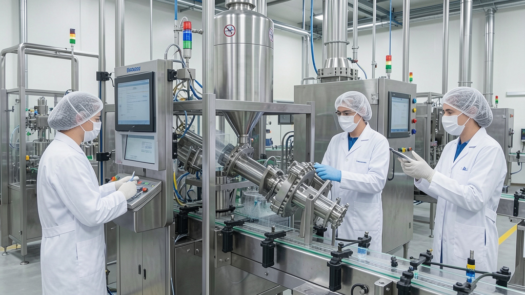

Digital Twin Technology for Biologics: Predictable Scale-Up and Quality Across the Value Chain
Understand digital twins in biologics manufacturing, identify high-value use cases, define data architecture requirements, assess model confidence and validation considerations, and build implementation roadmaps and business cases.

AI Foundation in Pharma

Identify AI/ML applications across biologics R&D, apply Generative AI for scientific research and documentation, convert experimental data into actionable insights, evaluate AI outputs for scientific reliability, and build AI-enabled R&D decision frameworks.

Go beyond concepts. Access real-world AI use cases across industries — understand what worked, what didn’t, and what it actually takes to implement.

Participants will be able to design structured technology transfer plans, identify critical process parameters and quality attributes, apply risk assessment tools, manage documentation requirements, and ensure smooth transfer execution aligned with regulatory expectations.