
 English
 Spain
Spain
Filter
Showing 61–75 of 159 results


Participants will gain the capability to design vendor evaluation frameworks, develop supplier capabilities, negotiate sourcing agreements, and implement procurement strategies that ensure reliable supply, improved quality standards, and sustainable cost management.

Participants will gain the capability to identify automation opportunities across textile production processes, integrate Industry 4.0 technologies such as connected machinery, sensors, and data analytics, and optimize manufacturing operations for higher productivity, quality, and operational visibility.
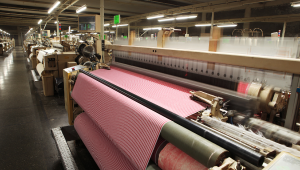
Participants will gain the capability to apply Six Sigma tools to identify root causes of defects, optimize process performance, improve yield, and establish data-driven quality control systems that enhance productivity and customer satisfaction.

Participants will gain the capability to design traceability frameworks, implement supplier compliance programs, conduct ethical risk assessments, and align sourcing strategies with ESG and regulatory standards. They will be equipped to enhance supply chain transparency, reduce compliance risks, and build sustainable competitive advantage.


Participants will gain the ability to assess market potential, evaluate site economics, structure lease agreements strategically, and negotiate favorable commercial terms that support sustainable retail growth.

Apparel Manufacturing Strategy: In-House vs Outsourced Operations for Strategy in Textile

Participants will gain the capability to conduct make-or-buy analysis, assess financial and operational implications, manage supplier ecosystems, and design resilient manufacturing strategies that balance cost efficiency, quality, and strategic control.


Participants will develop the capability to manage end-to-end vaccine tender processes under UIP, ensure regulatory and documentation compliance, optimize bid strategies, mitigate procurement risks, and maintain supply continuity aligned with public health obligations.

Participants will develop the capability to design and implement enterprise-wide transformation strategies, align digital and operational initiatives with growth objectives, manage organizational change, and build agile, future-ready textile businesses.

Participants will gain the ability to analyze cost drivers, implement cost-reduction strategies, improve operational efficiency, optimize pricing decisions, and establish margin monitoring systems that sustain profitability in competitive textile markets.

Participants will gain the capability to identify operational waste, redesign workflows, balance production lines, and implement continuous improvement systems in garment manufacturing units. They will be equipped to drive measurable improvements in productivity, quality, cost efficiency, and delivery reliability.

Participants will gain the ability to design sustainability-driven business strategies aligned with profitability and growth objectives. They will understand ESG integration, sustainable sourcing frameworks, circular business models, stakeholder engagement, and measurable impact tracking—enabling them to build resilient, responsible, and competitive textile enterprises.


Participants will develop the capability to manage end-to-end public procurement processes in the pharmaceutical sector with confidence and compliance. They will understand tender lifecycle management, regulatory alignment, risk mitigation, ethical safeguards, and contract governance—enabling them to execute procurement activities with transparency, accountability, and strategic effectiveness.


Participants will gain the ability to design quality assurance frameworks for advanced driver assistance systems, apply risk-based validation methods, integrate hardware and software testing, and ensure compliance with functional safety requirements.

Participants will gain the ability to design zero defect manufacturing strategies, apply digital quality tools, use real-time analytics for defect prevention, and implement quality frameworks to improve production reliability and reduce costs.

Leading High-Performance Retail Teams & Change

By the end of this program, participants will be able to apply strategic leadership frameworks in volatile retail environments, implement goal alignment and performance management systems, use structured change management models such as Kotter and ADKAR to drive transformation, manage resistance effectively, communicate with executive impact, and align cross-functional stakeholders to achieve organizational objectives.