
 English
 Spain
Spain
Filter
Showing 76–90 of 159 results


By the end of this program, participants will be able to interpret critical retail performance metrics, apply customer segmentation models such as RFM and behavioral analysis, make informed merchandising and pricing decisions using elasticity and markdown strategies, compare channel performance effectively, and convert analytical insights into structured, data-driven business actions that drive growth and customer retention.

Prompt Engineering for Business Leaders

Participants will be able to understand the fundamentals of AI and large language models, craft structured and high-impact prompts, apply advanced techniques such as chain-of-thought and persona-based prompting, integrate AI tools into business workflows for improved output quality, recognize AI limitations and apply human judgment appropriately, and implement ethical and secure AI practices within their organizations.


Participants will be able to develop annual and lifecycle-based publication plans, align publications with clinical milestones, apply authorship and transparency standards, ensure compliance with global publication ethics, manage cross-functional coordination, and measure scientific impact. They will strengthen the credibility and strategic value of medical communications within their organization.

SCADA Optimization: Energy Engineering

Participants will be able to design and configure SCADA architectures, analyze turbine and farm-level performance data, implement advanced alarm and fault management strategies, integrate predictive analytics, and develop optimization frameworks that increase energy yield and operational reliability.

Participants will be able to assess degradation risks, select appropriate nano-coating technologies, evaluate performance testing data, design surface protection strategies, and implement lifecycle optimization plans that improve turbine longevity and reduce maintenance expenditure.
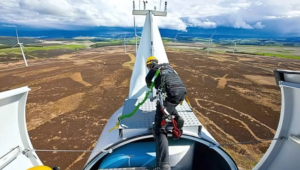
Participants will understand electrostatic charge generation principles, analyze particulate adhesion mechanisms, evaluate electrostatic precipitation systems for blade applications, design contamination control strategies, and implement preventive maintenance frameworks that improve aerodynamic performance and turbine reliability.

Participants will be able to analyze wake behavior using engineering models, apply wake steering techniques, design optimized turbine layouts, evaluate secondary energy capture methods, and implement performance improvement strategies that enhance overall wind farm productivity and reduce operational losses.

Participants will be able to interpret acoustic emission data, differentiate normal and abnormal sound signatures, identify early-stage mechanical faults, integrate acoustic diagnostics with vibration and SCADA data, implement predictive maintenance frameworks, and reduce downtime through proactive fault detection.

Participants will be able to evaluate mass drivers at vehicle and subsystem levels, apply material substitution strategies, perform structural optimization assessments, and support cross-functional lightweighting decisions aligned with performance and regulatory requirements.

Data Analytics for Engineering in Automotive
Participants will be able to analyze multi-source vehicle data, apply reliability and predictive analytics models, interpret telematics-driven performance signals, reduce warranty risk, and support data-driven engineering decisions across the vehicle life cycle.

Participants will be able to interpret global OBD and emission regulations, evaluate compliance risks, align internal processes with regulatory requirements, review emission monitoring data, and support structured regulatory submissions and audit responses.

Participants will be able to explain ADAS system architecture, compare sensor technologies, support sensor fusion integration, interpret validation data, and contribute to structured testing and compliance activities aligned with automotive safety standards.

Participants will be able to analyze supply chain performance metrics, improve demand planning accuracy, optimize inventory deployment, enhance distribution efficiency, and implement structured optimization strategies that improve service levels and profitability.

Participants will gain the ability to plan and manage pharmaceutical supply chains, optimize procurement and inventory, ensure regulatory compliance, manage logistics and cold chain systems, and implement risk mitigation strategies to improve efficiency and product availability.

PharmaConnect: Building Trust & Driving Sales
Participants will be able to develop trust-based engagement strategies with healthcare professionals, apply consultative selling techniques, leverage data-driven customer insights, align promotional activities with compliance standards, and execute targeted marketing initiatives to drive sustainable sales performance.