
 English
 Spain
Spain
Filter
Showing 1–15 of 19 results


Participants will develop the ability to evaluate retail expansion opportunities, design effective channel strategies, and improve store network performance through structured leadership and data-driven decision making. They will learn how to align franchise partners, strengthen sales activation initiatives, and implement performance review mechanisms to support sustainable retail growth.

Participants will develop the ability to forecast demand, segment stores based on performance and demand patterns, and design effective allocation and replenishment strategies for multi store networks. They will learn how to use inventory analytics and operational dashboards to improve stock availability, reduce inventory costs, and enhance overall supply chain performance.

Participants will develop the ability to analyze consumer and market insights to identify category opportunities, design strategic assortment plans, and align sourcing decisions with profitability goals. They will learn how to apply financial analysis, supplier evaluation, and post-purchase performance insights to strengthen retail merchandising strategies and improve overall category performance.


Participants will develop a comprehensive understanding of loyalty program design and consumer engagement strategies in modern retail ecosystems. They will learn how to build loyalty platforms that integrate with retail technology systems, analyze customer behavior data, and personalize engagement initiatives. The program will also build capabilities in scaling loyalty initiatives across omnichannel retail environments while measuring program effectiveness and return on investment. By the end of the course, participants will be able to design sustainable loyalty ecosystems that enhance customer engagement and maximize lifetime value.
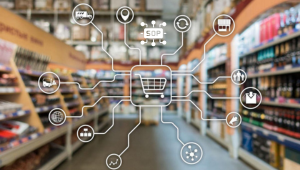
Participants will gain a clear understanding of how key retail technology modules interact within modern retail ecosystems and how they support operational workflows. They will learn how to map retail processes, integrate digital systems across departments, and develop structured SOP frameworks that standardize operations. The program will also build capabilities in documenting procedures, managing cross-functional coordination, and improving operational efficiency. By the end of the course, participants will be able to design scalable SOP frameworks and ensure effective system integration across retail operations.


Participants will gain the ability to assess market potential, evaluate site economics, structure lease agreements strategically, and negotiate favorable commercial terms that support sustainable retail growth.

Leading High-Performance Retail Teams & Change

By the end of this program, participants will be able to apply strategic leadership frameworks in volatile retail environments, implement goal alignment and performance management systems, use structured change management models such as Kotter and ADKAR to drive transformation, manage resistance effectively, communicate with executive impact, and align cross-functional stakeholders to achieve organizational objectives.

By the end of this program, participants will be able to interpret critical retail performance metrics, apply customer segmentation models such as RFM and behavioral analysis, make informed merchandising and pricing decisions using elasticity and markdown strategies, compare channel performance effectively, and convert analytical insights into structured, data-driven business actions that drive growth and customer retention.

By the end of this program, participants will be able to develop a comprehensive omnichannel strategy, integrate online and offline retail operations, enhance customer journey mapping and personalization, optimize inventory and fulfillment models, align cross-functional teams for seamless execution, and implement performance metrics that drive sustainable growth and profitability.
Participants will be able to analyze supply chain performance metrics, improve demand planning accuracy, optimize inventory deployment, enhance distribution efficiency, and implement structured optimization strategies that improve service levels and profitability.

Participants will be able to analyze SKU performance, optimize inventory levels, improve stock turnover, implement demand forecasting techniques, reduce shrinkage, and enhance overall retail operational efficiency.

Build the ability to align HR strategy with retail and e-commerce business goals, lead workforce transformation, strengthen frontline and middle leadership capability, design effective talent and performance systems, and drive engagement and retention in high-velocity operating environments.

Build the capability to manage frontline teams effectively, improve on-floor execution, and drive consistent customer success through structured people management and operational discipline.

- 1
- 2