
 English
 Spain
Spain
Filter
Showing 106–120 of 388 results


Participants will understand how sustainable materials, green manufacturing processes, and circular economy strategies are transforming tyre production. They will learn how tyre manufacturers reduce carbon emissions, optimize resource utilization, and develop environmentally responsible tyres while maintaining safety, durability, and performance standards.

Participants will understand how Industry 4.0 technologies such as industrial IoT, machine data analytics, connected production systems, and digital twins improve tyre manufacturing operations. They will learn how to implement smart factory systems to enhance process visibility, predictive maintenance, quality control, and production efficiency in modern tyre plants.

Participants will develop a deep understanding of rubber material science and compounding techniques used in high-performance tyre manufacturing. They will learn how different polymers, fillers, and additives influence tyre performance characteristics such as wear resistance, traction, and rolling resistance. The program will also build practical knowledge on compound formulation, processing conditions, and quality control techniques used to produce consistent high-performance tyre materials. By the end of the course, participants will be able to evaluate and optimize rubber compounds to meet demanding automotive performance requirements.

Participants will develop a clear understanding of modern tyre manufacturing technologies, advanced materials, and automation systems used in contemporary production facilities. They will learn how tyre design requirements translate into manufacturing processes, how digital manufacturing tools improve production quality, and how emerging technologies such as smart manufacturing and sustainable materials are transforming tyre production. By the end of the program, participants will be able to evaluate and implement modern manufacturing technologies to improve efficiency, quality, and operational performance.

Participants will learn how pharmaceutical products are costed and priced across global markets while considering regulatory controls, reimbursement frameworks, and competitive dynamics. They will develop the ability to evaluate drug development costs, design value-based pricing models, and create international pricing strategies aligned with market access objectives and profitability goals.


Participants will gain the ability to design digital transformation roadmaps, evaluate emerging technologies, innovate revenue models, and align digital initiatives with strategic growth objectives. They will be equipped to build agile, technology-enabled textile enterprises capable of sustainable competitive advantage.


Participants will gain a clear understanding of the stages involved in pharmaceutical drug discovery and development. They will learn how drug targets are identified, how potential drug candidates are screened and optimized, and how preclinical and clinical studies are designed to evaluate safety and efficacy. The program will also develop understanding of regulatory approval pathways, commercialization considerations, and emerging technologies that are transforming pharmaceutical research and development.

Participants will gain the ability to apply risk assessment frameworks in food manufacturing, identify and evaluate hazards, implement preventive and corrective controls, and design risk management systems aligned with food safety standards and regulatory requirements.
Participants will gain a clear understanding of international trade regulations and customs procedures relevant to FMCG products. They will learn how to manage import and export documentation, classify goods under tariff systems, and ensure regulatory compliance across borders. The program will also build capabilities in identifying compliance risks, coordinating with customs authorities and logistics partners, and implementing best practices that improve efficiency in cross-border supply chain operations.
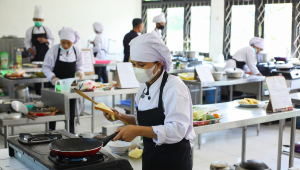
Participants will develop a clear understanding of global regulatory frameworks governing food additives, preservatives, and novel foods. They will learn how regulatory authorities evaluate safety, establish permissible usage limits, and approve new food ingredients. The program will build capabilities in interpreting regulatory standards, managing ingredient compliance documentation, and navigating approval pathways for novel foods. By the end of the course, participants will be able to support regulatory submissions, ensure labeling compliance, and manage risks associated with new food ingredient innovation.

Participants will gain a clear understanding of different forms of food fraud and adulteration and their impact on food safety, brand reputation, and regulatory compliance. They will learn how to conduct vulnerability assessments across supply chains, implement authenticity testing methods, and establish preventive control systems. The program will also build capabilities in supplier risk management, fraud monitoring, and compliance with global food safety standards that address authenticity risks.

Use AI to analyse RFPs and tender documents, build compliance and responsibility matrices, review BOQs, strengthen cost estimates, identify contractual and compliance risks, and prepare evidence-grounded EPC proposals.

Participants will develop a comprehensive understanding of loyalty program design and consumer engagement strategies in modern retail ecosystems. They will learn how to build loyalty platforms that integrate with retail technology systems, analyze customer behavior data, and personalize engagement initiatives. The program will also build capabilities in scaling loyalty initiatives across omnichannel retail environments while measuring program effectiveness and return on investment. By the end of the course, participants will be able to design sustainable loyalty ecosystems that enhance customer engagement and maximize lifetime value.
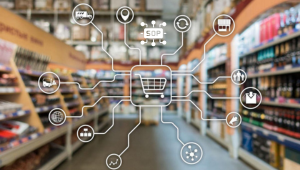
Participants will gain a clear understanding of how key retail technology modules interact within modern retail ecosystems and how they support operational workflows. They will learn how to map retail processes, integrate digital systems across departments, and develop structured SOP frameworks that standardize operations. The program will also build capabilities in documenting procedures, managing cross-functional coordination, and improving operational efficiency. By the end of the course, participants will be able to design scalable SOP frameworks and ensure effective system integration across retail operations.

Participants will gain a strong understanding of global regulatory frameworks governing food packaging safety and compliance. They will learn how to evaluate packaging materials for food-contact suitability, assess chemical migration risks, and interpret regulatory limits established by international authorities. The program will also build expertise in packaging compliance documentation, safety testing requirements, and regulatory approval processes. By the end of the course, participants will be able to ensure that food packaging systems meet safety standards while supporting global market access for FMCG products.