
 English
 Spain
Spain
Filter
Showing 1–15 of 33 results
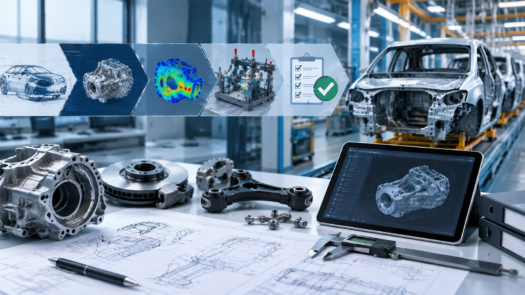

Apply the five phases of APQP, develop a functional timing plan, prepare process flowcharts and process instructions, create control plans, and compile a structured PPAP submission for a case-study product.
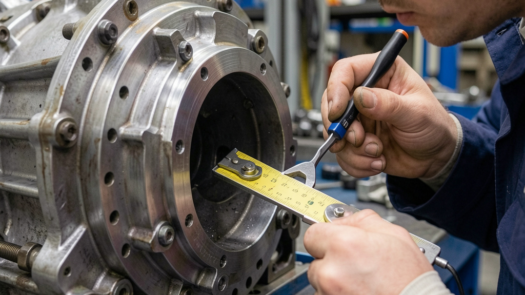


Participants will develop the ability to analyze combustion behavior in internal combustion engines using engineering data and diagnostic techniques. They will learn how to interpret combustion parameters, optimize air–fuel mixing, and apply advanced practices that improve engine efficiency, emissions performance, and overall powertrain development outcomes.

Participants will gain the ability to understand BS-VI emission regulations for three-wheelers, interpret emission testing results, and support certification and compliance management activities during vehicle development and approval.
Emission Type Approval & BS-VI Compliance for Quality & Regulatory Compliance in Automotive
Participants will gain the ability to understand BS-VI emission regulations, support emission testing programs, evaluate compliance results, and contribute to vehicle certification and regulatory approval processes.

Participants will gain the ability to understand engine electronic architectures, diagnose EMS faults using professional diagnostic tools, and support compliance with emission and safety regulations.

Real Driving Emissions Compliance & Testing for Quality & Regulatory Compliance in Automotive
Participants will gain the ability to understand RDE regulatory requirements, design compliant testing strategies, interpret emissions measurement data, and support vehicle certification and regulatory compliance activities.

Participants will gain the capability to interpret VDA 6.x requirements, prepare for process and system audits, evaluate manufacturing processes using VDA methodologies, and implement quality improvement actions that meet German OEM supplier compliance expectations.
ASPICE Essentials for Engineering in Automotive
Participants will gain the ability to understand ASPICE framework structure, apply software development process standards in automotive control systems, align engineering practices with ASPICE capability levels, and support readiness for ASPICE process assessments.
Participants will develop the ability to align supplier operations with OEM requirements and regulatory frameworks. They will learn how to manage supplier compliance, coordinate program timelines with OEM partners, and strengthen supply chain collaboration to support successful product launches and uninterrupted component supply.

Participants will develop the ability to design structured testing and validation plans aligned with crashworthiness, electromagnetic compatibility, and environmental compliance standards. They will learn how to interpret global testing regulations, manage certification workflows, analyze test results, and integrate testing requirements into product development to ensure regulatory approval and product safety.

Participants will gain the ability to identify and classify non-conformities, conduct structured root cause analysis, design effective CAPA plans, and implement audit-ready documentation systems aligned with automotive quality standards and regulatory expectations.
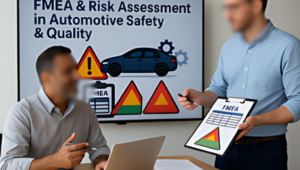
Participants will gain the capability to conduct Design FMEA and Process FMEA, evaluate failure risks using severity, occurrence, and detection metrics, prioritize corrective actions, and integrate risk assessment into automotive quality management and product development processes.

Participants will gain the capability to implement functional safety and cybersecurity processes across automotive product development, conduct hazard and risk analysis, integrate cybersecurity requirements into system design, and manage safety compliance across the vehicle lifecycle. They will also learn to coordinate safety and cybersecurity validation activities aligned with international automotive standards.